Online Trauma Therapy in New Jersey
What happened to you may be part of your story, but it doesn't have to control what happens next. Trauma can affect the way you feel, think, relate to others, respond to stress, and experience safety long after a difficult event has ended. You may find yourself constantly on guard, avoiding reminders of what happened, struggling to trust, feeling emotionally numb, becoming overwhelmed by situations that seem small to other people, or wondering why you can't simply "move on."
At Destiny Supportive Services, our therapists provide compassionate, trauma-informed online counseling throughout New Jersey. We offer a supportive, nonjudgmental environment where you can begin understanding how your experiences have affected you, strengthen coping skills, and work toward greater emotional safety and well-being.

Trauma Isn't Defined Only by What Happened
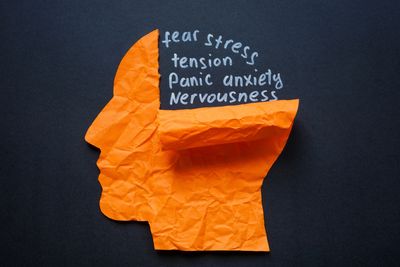
People sometimes hesitate to call an experience traumatic because they believe someone else has experienced something worse.
You may tell yourself:
"It wasn't that bad."
"Other people have been through worse."
"I should be over this by now."
"Why am I still affected by something that happened years ago?"
Trauma isn't a competition. An experience can have a lasting impact when it overwhelms your ability to cope, disrupts your sense of safety, or changes the way you see yourself, other people, or the world. You don't need to prove that what happened was "bad enough" before asking for help.
At Destiny Supportive Services, our therapists provide online counseling throughout New Jersey to help clients better understand their anxiety, develop healthier coping strategies, and feel more confident managing everyday life.
What Can Be Traumatic?
Trauma can result from one overwhelming event, repeated experiences, or circumstances that occur over a long period of time.
Experiences that may contribute to trauma-related symptoms can include:
• Physical or sexual assault
• Domestic or intimate partner violence
• Childhood abuse or neglect
• Emotional abuse
• Difficult or unsafe relationships
• Serious accidents
• Medical emergencies or procedures
• Sudden or traumatic loss
• Community violence
• Military or deployment experiences
• Workplace incidents
• Bullying
• Natural disasters
• Witnessing violence or serious injury
• Family instability
• Unexpected life-threatening events
• Repeated exposure to distressing situations
• Other experiences that left you feeling unsafe, powerless, or overwhelmed
People can experience similar events and respond very differently. Your response matters more than whether someone else would describe the event the same way.
Signs Trauma May Still Be Affecting You
Trauma-related responses can appear emotionally, physically, cognitively, behaviorally, and within relationships.
You may experience:
• Intrusive memories
• Nightmares
• Difficulty sleeping
• Feeling constantly alert or on guard
• Being easily startled
• Avoiding certain people, places, conversations, or situations
• Feeling emotionally numb
• Irritability or anger
• Difficulty concentrating
• Racing thoughts
• Anxiety or panic
• Feeling disconnected from other people
• Difficulty trusting
• Guilt or shame
• Negative beliefs about yourself
• Difficulty feeling safe
• Physical tension
• Feeling overwhelmed by reminders
• Difficulty regulating emotions
• Relationship difficulties
• Feeling detached from yourself or your surroundings
• Trying not to think about what happened
Not everyone who experiences trauma develops PTSD, and experiencing some of these symptoms doesn't automatically mean that you have a trauma-related disorder. A qualified mental health professional can help you better understand what you're experiencing.
Sometimes Your Body Reacts Before Your Mind Understands Why
You may logically know that you're safe and still feel your body reacting as though something is wrong.
Your heart may race.
Your muscles tighten.
You may freeze.
Become irritable.
Want to leave.
Shut down.
Or suddenly feel overwhelmed.
These reactions can be confusing, particularly when the current situation doesn't appear dangerous. Trauma can influence how your mind and body respond to perceived threats. Therapy can help you become more aware of these responses, identify triggers, and develop strategies for feeling more grounded and in control.
You May Have Learned to Survive Before You Learned to Feel Safe
Some coping strategies develop because they once helped you get through difficult circumstances.
You may have learned to:
Stay quiet.
Keep everyone happy.
Avoid conflict.
Expect the worst.
Handle everything yourself.
Disconnect from your emotions.
Never ask for help.
Remain constantly alert.
Keep people at a distance.
Control everything you can.
These strategies may have served an important purpose at one point in your life. But survival strategies can become exhausting when they continue long after the original danger has passed. Therapy can help you explore which patterns still protect you and which ones may now be keeping you stuck.
Childhood Trauma & Difficult Early Experiences
Experiences from childhood can continue influencing adulthood even when you rarely think about them. Childhood trauma may involve obvious events such as abuse or violence. But difficult early experiences can also include:
• Emotional neglect
• Unpredictable caregiving
• Family instability
• Exposure to conflict
• Parentification
• Loss
• Bullying
• Substance use within the household
• Feeling responsible for adults' emotions
• Growing up without emotional safety
As an adult, you may notice these experiences affecting:
Relationships.
Trust.
Self-esteem.
Boundaries.
Conflict.
People-pleasing.
Fear of abandonment.
Emotional regulation.
Or your ability to feel safe when depending on another person.
Therapy can help you understand these patterns without defining you by your past.
Relationship Trauma
Relationships are supposed to provide connection and safety.
When relationships involve betrayal, manipulation, abuse, instability, control, or repeated emotional harm, those experiences can change how you approach future relationships.
You may find yourself:
• Struggling to trust
• Constantly looking for signs something is wrong
• Overanalyzing communication
• Avoiding vulnerability
• Fearful of abandonment
• Having difficulty setting boundaries
• Remaining emotionally guarded
• Questioning your own perceptions
• Feeling responsible for keeping other people happy
Therapy can help you understand how past relationship experiences may be influencing current patterns while helping you develop healthier boundaries, communication, and expectations.
Trauma After Domestic or Intimate Partner Violence
Experiencing abuse or coercive control within a relationship can affect safety, trust, confidence, decision-making, relationships, and self-esteem.
Even after a relationship ends, you may continue experiencing fear, hypervigilance, guilt, shame, anxiety, or difficulty trusting yourself. Trauma-informed therapy can provide space to process these experiences while supporting emotional recovery, boundary development, and rebuilding a sense of personal agency.
If you are currently experiencing abuse or are concerned about your immediate safety, therapy should be only one part of a broader safety plan. Emergency and specialized domestic-violence resources may also be appropriate.
Military, Occupational & High-Stress Trauma
Some professions expose people to situations that others rarely experience. Military personnel, veterans, first responders, healthcare workers, social service professionals, and others may encounter:
• Life-threatening situations
• Serious injuries
• Death
• Repeated exposure to others' trauma
• High operational demands
• Difficult moral or ethical situations
• Workplace incidents
• Chronic occupational stress
Sometimes symptoms don't become obvious until after the high-stress environment ends.
You may have learned how to function exceptionally well during crisis while struggling when life becomes quieter. Therapy can provide a confidential place to understand how these experiences continue affecting sleep, relationships, mood, concentration, stress responses, and daily life.
How Trauma Therapy Can Help
Trauma therapy doesn't mean you have to immediately tell every detail of what happened. A thoughtful trauma-informed approach prioritizes safety, trust, collaboration, choice, and your readiness.
Depending on your individual needs, therapy may help you:
• Understand trauma responses
• Identify triggers
• Develop grounding strategies
• Strengthen emotional regulation
• Manage anxiety and hypervigilance
• Improve sleep
• Reduce avoidance
• Challenge shame and self-blame
• Develop healthier coping strategies
• Strengthen boundaries
• Improve communication
• Rebuild trust
• Strengthen relationships
• Develop a greater sense of safety
• Understand how past experiences influence current relationships
• Reconnect with your strengths
• Develop greater self-compassion
• Feel more present in everyday life
The goal isn't to erase your past. It's to help reduce the amount of control the past has over your present.
Our Trauma-Informed Approach
At Destiny Supportive Services, trauma-informed care means recognizing that difficult experiences can affect many areas of a person's life.
Your therapist will work to create an environment that emphasizes:
Safety
Trust
Collaboration
Choice
Respect
Empowerment
Therapy should be something you participate in—not something that is done to you.
Our clinicians may incorporate approaches such as CBT, DBT-informed skills, mindfulness, strengths-based interventions, solution-focused therapy and other evidenced-based approaches based on the individual therapist and client's needs.
Meet Our Therapists Who Treat Trauma

Bernadette Mahoney
Bernadette Mahoney
Bernadette Mahoney
Anxiety • Depression • Trauma • Stress • Life Transitions• Grief
Supports individuals working through anxiety, depression, grief, stress, and significant life changes while creating a compassionate space for healing, growth, and healthier coping.
Mary Burns
Bernadette Mahoney
Bernadette Mahoney
Anxiety • Depression • Trauma • Relationships • Life Transitions
Supports clients across the lifespan with anxiety, depression, trauma, relationship concerns, and life transitions using an individualized approach that promotes healing, self-awareness, and meaningful change.
Candecia Clarke
Bernadette Mahoney
Anxiety • Trauma • Depression • Stress • Anger • Family/Relationship Concerns
Supports adults experiencing anxiety, depression, stress, anger, family challenges, and life transitions through practical, strengths-based strategies for meaningful change.
Nicole McCoy
Bridget Flowers
Anxiety • Depression • Trauma • Stress • Relationships • Life Transitions
Provides compassionate support for individuals navigating anxiety, depression, emotional stress, relationship concerns, and life transitions while strengthening coping skills, confidence, and emotional wellness.
Bridget Flowers
Bridget Flowers
Bridget Flowers
Trauma • Substance Use • Family Concerns • Anxiety • Depression
Supports adults navigating trauma, substance use, anxiety, depression, and family challenges while developing healthier coping strategies, emotional stability, and sustainable recovery.
Jennell Jackson
Bridget Flowers
Bridget Flowers
Trauma • Anxiety • Depression • Self-Esteem • Couples & Relationships
Helps individuals and couples heal from trauma, manage anxiety and depression, strengthen self-worth, improve relationships, and break unhealthy emotional and behavioral cycles.